
Quick Answer: Insomnia after quitting smoking is a recognised nicotine withdrawal symptom, not a sign something is wrong. It usually appears within the first day or two, is worst during the first 72 hours, and settles for most people within about four weeks. Vivid dreams are common and are simply your REM sleep rebounding after years of suppression. The good news is that smoking itself damages sleep, so once withdrawal passes, most people sleep better than they did as smokers.
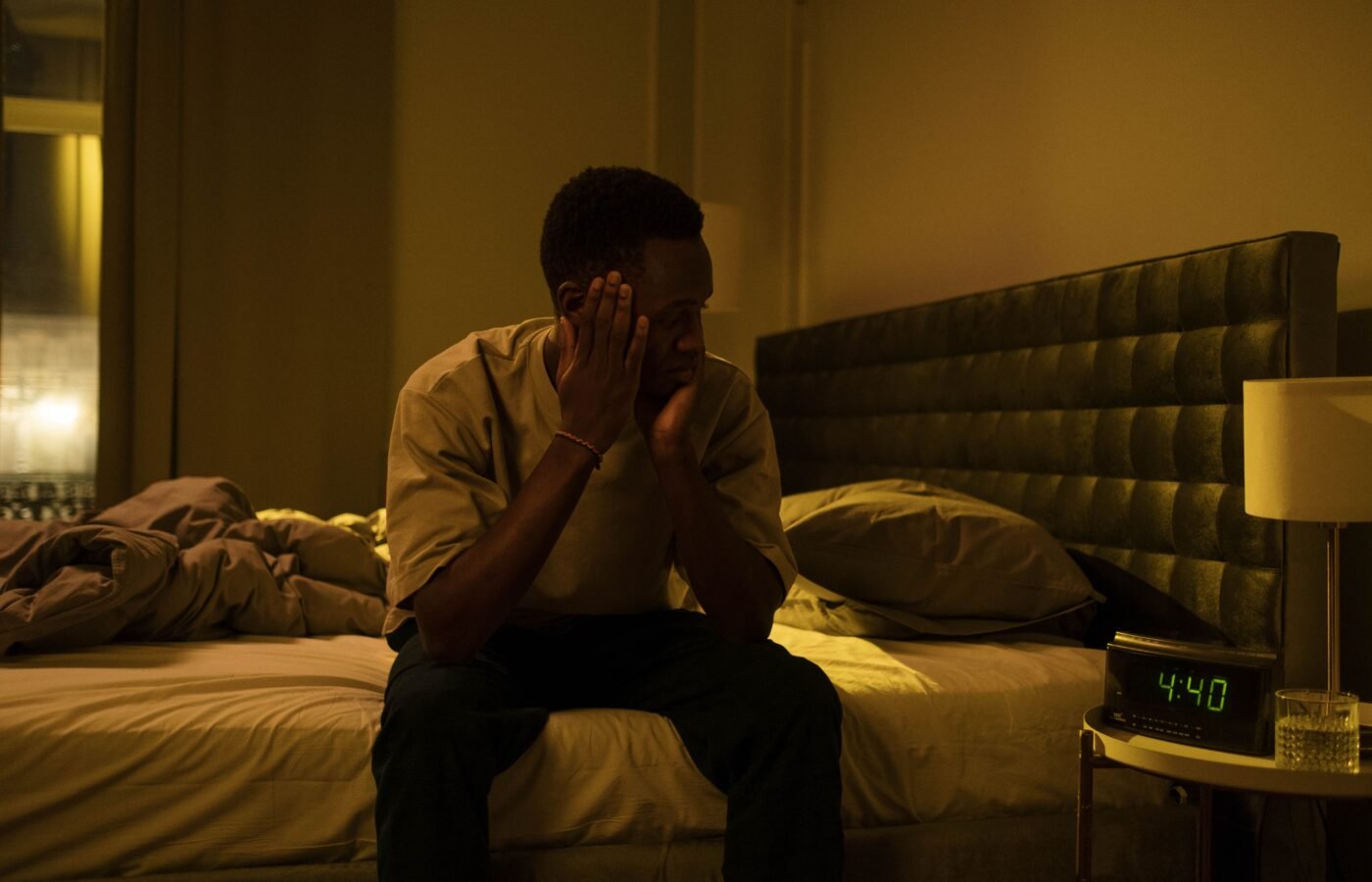
It is 3 am on day three. You are wide awake, staring at the ceiling, exhausted and wired at the same time, and a very reasonable voice is pointing out that one cigarette would probably knock you straight out.
Do not listen to it. Here is what is actually happening, and why this particular misery has an end date.
Why does insomnia happen after quitting smoking?
Because your brain has spent years being regularly dosed with a stimulant, and it has adapted its sleep and wake systems around that.
Nicotine is a stimulant. It affects the receptor systems involved in regulating sleep and alertness. When it disappears, those systems need time to rebalance, and while they do, sleep gets rough. Sleep disturbance is a well-documented feature of nicotine withdrawal, listed among the diagnostic symptoms in the DSM-5, which tells you how consistently it shows up.
So what you are experiencing is not insomnia in the sense of a new sleep disorder arriving. It is a temporary side effect of your brain recalibrating, and it runs on roughly the same clock as every other withdrawal symptom.
Related Article: Nicotine Withdrawal Timeline – How Long Does Nicotine Withdrawal Last?
How long does insomnia after quitting smoking last?
The pattern is fairly predictable, even though individual timing varies.
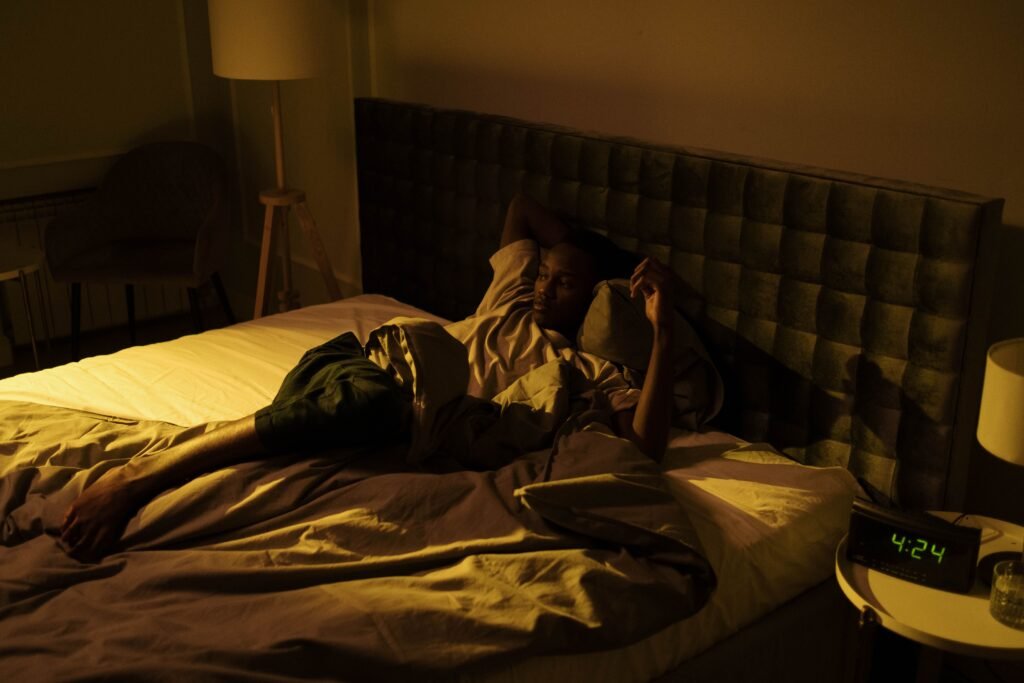
- First 1 to 3 days: the worst of it. Withdrawal peaks in roughly the first 72 hours, and falling asleep is usually the hardest part of the day. This is also when the “one cigarette would help me sleep” thought is loudest.
- First 1 to 2 weeks: sleep is still broken but starts becoming less consistently awful. You may wake often or feel your sleep is light and unrefreshing.
- By around 4 weeks: for most people, sleep disturbance has largely resolved. Not everyone experiences it, and for those who do, it typically lasts under a month.
Worth knowing: not everyone gets this at all. If you are sleeping badly, you are in a normal group, not a doomed one.
Why am I having such vivid dreams?
This one unsettles people, so it is worth naming clearly.
Unusually intense, strange or emotionally charged dreams are common in the first weeks after quitting, and there is a simple explanation. Nicotine suppresses REM sleep, the stage where most vivid dreaming happens. Take the nicotine away and REM rebounds, catching up on what it has been missing for years.
It is not a warning sign, and it is not a side effect of your patches malfunctioning. It is your sleep architecture returning to normal, loudly. It settles within a few weeks.
The caffeine trap almost nobody warns you about
This is the detail that catches people out, and it can make the whole first month feel far worse than it needs to.
Tobacco smoke induces a liver enzyme called CYP1A2, which is the enzyme responsible for clearing caffeine from your body. Smokers therefore process caffeine considerably faster than non-smokers. It is why heavy smokers often drink a lot of coffee without much trouble.
When you stop smoking, that enzyme activity falls back toward normal over the following weeks, and your caffeine clearance slows down. Same three cups of coffee, substantially more caffeine still circulating at bedtime.
The result is jitteriness, anxiety, restlessness and insomnia, which look exactly like nicotine withdrawal getting worse. So people conclude quitting is destroying them, when a meaningful chunk of the misery is an accidental caffeine overdose.
Some of what feels like withdrawal is just too much coffee arriving in a body that suddenly cannot clear it.
Cutting your caffeine back during the first few weeks, and moving your last cup earlier in the day, is one of the cheapest wins available.
Related Article: The First 30 Days Without Nicotine: A Survival Guide

The practical exercise: build a two-week sleep protocol
Do not improvise this at 3 am. Set it up in advance and simply follow it for a fortnight.
- Fix your wake time first, not your bedtime. Same time every morning, including weekends. Wake time anchors the whole cycle, and it is the one you can actually control.
- Cut caffeine by roughly half and stop it by early afternoon. For the reason above, this matters more now than it ever did while you were smoking.
- If you use a nicotine patch and your sleep is disturbed, take it off before bed. The CDC specifically suggests removing the patch about an hour before bedtime if it is interfering with sleep. Put a fresh one on when you wake.
- Move your body during the day, not right before bed. Exercise helps sleep and reduces craving intensity, but doing it late can keep you wired.
- Give yourself a wind-down hour. Screens off, lights low. Your brain is short of its usual chemical off-switch and needs a longer runway than it used to.
- If you are awake more than about 20 minutes, get up. Go to another room, keep the lights dim, do something dull, and return when sleepy. Lying there getting frustrated teaches your brain that bed is where you feel anxious.
Two weeks. You are not fixing your sleep forever; you are getting through the window where it is worst.
Boss Says: That voice at 3 am telling you a cigarette would help you sleep is lying, and it is lying in a very specific way. Nicotine is a stimulant. It was wrecking your sleep the whole time; you just never noticed because you never had a night without it. What you are feeling right now is not your sleep breaking. It is your sleep coming back, and it is loud on the way in. Ride out the fortnight. You are going to sleep better than you have in years.
The reason this matters so much is that exhaustion is where quit attempts quietly die. You are not weaker at 3 am, you are just tired, alone, and out of arguments, and that is exactly when the old logic sounds reasonable. Having something awake at that hour that knows what you are going through, and can remind you the sleeplessness is temporary while the cigarette is not, is precisely the gap Boss was built to stand in.
The upside nobody mentions
Here is the part worth holding onto while you are tired.
Smoking was already damaging your sleep. Because nicotine is a stimulant, people who smoke typically take longer to fall asleep, wake more often, and get more fragmented sleep. Nicotine can also cause swelling in the nose and airways, which affects breathing overnight, and smoking is associated with a higher risk of obstructive sleep apnoea.
So this is not a trade where you give up sleep to gain health. Once withdrawal passes, most people sleep better than they did while smoking. You are paying a few weeks to get back something you have been quietly losing for years.
The bottom line
Insomnia after quitting smoking is real, expected, and temporary. It peaks in the first three days, usually resolves within about four weeks, and comes with vivid dreams as your REM sleep catches up. Watch your caffeine, remove the patch at night if it disturbs you, anchor your wake time, and treat it as a two-week protocol rather than a permanent state.
If sleep problems persist well beyond a month or feel severe, speak to a doctor. But for most people this is a short, unpleasant window on the way to better sleep than smoking ever allowed.
Frequently asked questions
How long does insomnia after quitting smoking last?
It is usually worst in the first 72 hours, when nicotine withdrawal peaks, and generally resolves within about four weeks. Not everyone experiences it, and for those who do the duration varies, but it is a temporary withdrawal symptom rather than a lasting sleep problem.
Why do I have vivid dreams after quitting smoking?
Nicotine suppresses REM sleep, the stage where most vivid dreaming occurs. When you quit, REM rebounds and catches up, producing unusually intense or strange dreams. It is a normal sign of your sleep returning to its natural pattern and typically settles within a few weeks.
Should I take my nicotine patch off at night?
If the patch is disturbing your sleep, yes. The CDC suggests removing it about an hour before bedtime and applying a fresh one when you wake. Follow the product instructions or ask a pharmacist, as some people prefer overnight wear to reduce morning cravings.
Does caffeine affect you differently after quitting smoking?
Yes, and it catches many people out. Tobacco smoke speeds up the liver enzyme that clears caffeine, so smokers process it faster. After quitting, clearance slows toward normal over several weeks, meaning the same amount of coffee leaves far more caffeine in your system, which can worsen insomnia and jitteriness.
Will my sleep be better after quitting smoking?
For most people, yes. Nicotine is a stimulant that lengthens the time it takes to fall asleep and fragments sleep through the night, and smoking is linked to a higher risk of obstructive sleep apnoea. Once the withdrawal period passes, sleep quality typically improves beyond what it was while smoking.
Related Article: What to know about quitting smoking and insomnia
Related Article: How Long Does Insomnia Last After Quitting Smoking?