
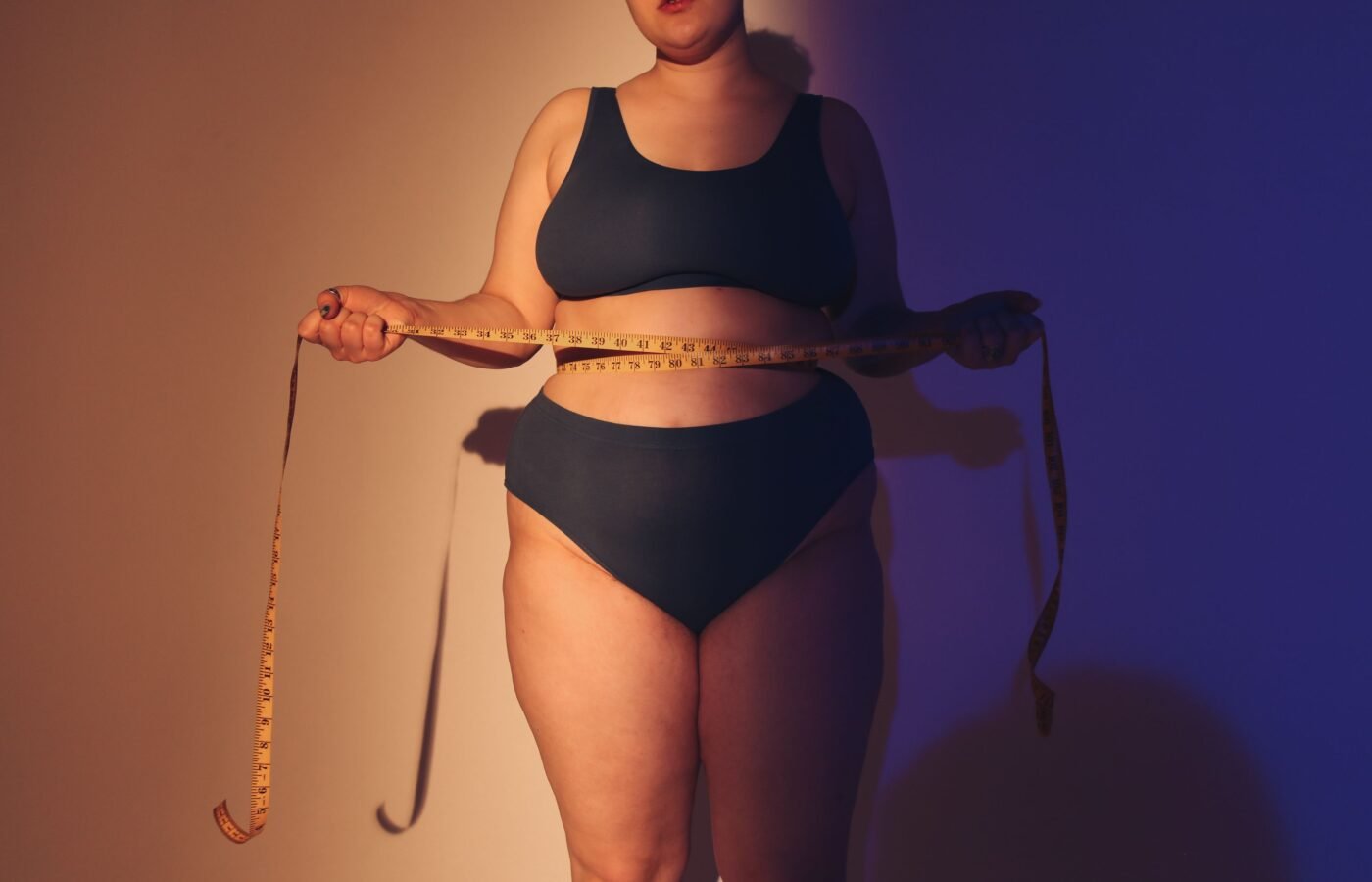
Quick Answer: Some weight gain after quitting smoking is common, but it is usually modest and manageable. On average, people gain around 4 to 5 kg (about 10 lb) in the year after quitting, with most of it in the first six months, though there is wide variation and some people gain little or even lose weight. It happens because nicotine suppresses appetite and slightly raises your metabolism, so removing it means you feel hungrier while burning slightly fewer calories at rest. It is not inevitable, and it is never a good reason to keep smoking.
Let’s deal with the fear head on, because for a lot of people it is the quiet reason they keep putting off quitting, or the thing that sends them back to cigarettes a few weeks in.
Yes, some weight gain is common after quitting. No, it is not the disaster the fear makes it out to be, and understanding why it happens takes most of the power out of it.
Related Article: How to Quit Smoking for Good (Even If You’ve Tried Before)
Why does weight gain happen after quitting smoking?
There are two straightforward physical reasons, and neither is a personal failing.
Nicotine suppresses appetite. While you were smoking, nicotine was quietly dulling your hunger. Take it away and your appetite returns to normal, which can feel like a sudden increase. You are not becoming greedy, you are simply hungry in the way a non-smoker is hungry.
Nicotine slightly raises your metabolism. Nicotine increases the number of calories your body burns at rest, by roughly 7 to 15 percent according to health sources including MedlinePlus. When you quit, that artificial boost goes away, so your body burns food a little more slowly than it did.
Put those together, more appetite plus a slightly slower resting burn, and you have the recipe for some weight gain. There is often a third factor too: many people reach for food to occupy the hands and mouth that used to hold a cigarette, or to soothe the stress of quitting. That is habit, not hunger, and it is very manageable once you notice it.
How much weight gain after quitting smoking is normal?
Less than the fear suggests, on average. A large meta-analysis of 62 studies found that people who quit gained an average of about 4 to 5 kg (roughly 10 lb) in the first year, with most of that occurring in the first six months.
But averages hide a wide spread, and the spread is encouraging. In the same body of research, a meaningful minority actually lost weight over the year, and while some people gained more than average, many gained considerably less. Your outcome is not fixed. It is strongly influenced by what you do in those first months.
And here is the perspective that matters most: the health gain from quitting vastly outweighs the health cost of a few extra pounds. You would have to gain a very large amount of weight to offset even a fraction of the benefit of not smoking. Trading quitting for a slightly smaller waistline is a bad deal by an enormous margin.
Can you quit without gaining weight?
Often, yes, or at least you can keep it modest. The key is that the two causes, appetite and metabolism, are both manageable, and the third, habit eating, is very beatable.
A few gentle, sustainable approaches help far more than any drastic plan:
- Move more, in small ways. Physical activity offsets the metabolic dip, and it does double duty by reducing cravings, short bouts of exercise measurably lower craving intensity. A daily walk is enough to matter.
- Keep your hands and mouth busy with something that is not food. Water, sugar-free gum, a task. A lot of post-quitting eating is the old smoking ritual looking for a replacement.
- Eat in a way that actually fills you. Meals that satisfy your returning appetite leave you less likely to graze out of restlessness. This is about feeling full, not about restriction.
- Do not try to quit and diet at the same time. Quitting is the priority. Piling a strict diet on top makes both harder and raises the chance of relapse. Get free of nicotine first, then address weight from a position of strength if you want to.

The practical exercise: separate hunger from habit
Most of the manageable weight gain comes not from real hunger but from eating to fill the gap the cigarette left. So learn to tell them apart.
- Before you reach for food, pause and ask: “Am I actually hungry, or did something just make me want to put something in my mouth?”
- If it is a craving or a habit, not hunger, do the thing you would do for any craving: drink water, move, occupy your hands, wait a few minutes.
- If it is real hunger, eat something that genuinely satisfies you. Real hunger deserves real food.
That single pause, hunger or habit, prevents most of the mindless grazing that drives post-quitting weight gain. You are not depriving yourself. You are just making sure that when you eat, it is because your body needs it, not because your hand misses the cigarette.
Boss Says: Do not let the fear of a few pounds talk you into staying in something that is far worse for you. Some weight change is normal, it is your body returning to how it is supposed to run without a stimulant forcing it. It is manageable, it is often temporary, and it is a tiny price next to what you are buying. Quit first. Get free. You can sort the rest out later, from a much stronger place than you are standing in right now.
The reason this matters is that weight fear sends people back to smoking, and that is the one outcome worth preventing at all costs. Boss keeps the focus where it belongs, on staying free of nicotine, and helps you handle the appetite and habit shifts as what they are: a normal, temporary part of recovery, not a reason to light up again.
The bottom line
Weight gain after quitting smoking is common but usually modest, around 4 to 5 kg on average in the first year, driven by returning appetite and a slightly slower metabolism, plus some habit eating. It varies widely, it is manageable with gentle movement and by separating hunger from habit, and it is never a good enough reason to keep smoking.
Quit first. Protect the quit. The extra pounds, if they come at all, are a small and solvable problem next to the enormous one you are walking away from.
Related Article: How to Quit Vaping: A Real Plan That Actually Works
Frequently asked questions
How much weight do you gain after quitting smoking?
On average about 4 to 5 kg (roughly 10 lb) in the first year, with most occurring in the first six months, according to a large meta-analysis. There is wide variation, however: some people gain much less, and a meaningful minority lose weight. What you do in the first few months strongly influences your outcome.
Why do you gain weight when you stop smoking?
Two main reasons. Nicotine suppresses appetite, so quitting can make you feel hungrier, and nicotine slightly raises your resting metabolism by around 7 to 15 percent, so removing it means you burn a little less at rest. Many people also eat to replace the hand-to-mouth habit of smoking.
Is the weight gain from quitting permanent?
Not necessarily. Much of the early gain can be managed or reversed once you are securely smoke-free, and gentle activity and mindful eating help limit it in the first place. The priority is staying off nicotine first, then addressing weight from a stronger position if you choose to.
How can I avoid gaining weight when I quit smoking?
Move more in small, sustainable ways, keep your hands and mouth busy with something other than food, eat meals that genuinely satisfy your returning appetite, and separate real hunger from habit before reaching for a snack. Avoid strict dieting while quitting, as doing both at once makes relapse more likely.
Should I worry about weight gain more than smoking?
No. The health benefit of quitting vastly outweighs the health impact of modest weight gain. You would need to gain a very large amount of weight to offset even a fraction of the benefit of not smoking, so weight concern is not a good reason to keep smoking or to relapse.
Related Article: Weight gain after quitting smoking: What to do