

Quick Answer: Most people want to know how long do nicotine cravings last, and the honest answer is reassuring: an individual craving usually peaks and passes within 3 to 5 minutes, whether or not you act on it. Cravings are most frequent in the first few days after quitting, become less constant after the first week, and fade into occasional, situational urges over the following weeks. The craving lies to you by feeling permanent. It never is. Every craving you have ever had has ended.
Here is the single most useful thing anyone can tell you about a craving, and it is the thing the craving itself will try hardest to hide from you.
It is going to end. Soon. Whether you smoke or not.
How long do nicotine cravings actually last?
An individual craving is not a state you are stuck in. It is a wave, and it has a shape. It builds, it crests, and it falls, and for most people that whole cycle takes somewhere between three and five minutes.
Read that again, because it changes the entire game. You are not being asked to resist forever. You are being asked to outlast a few minutes. That is a completely different, completely winnable task.
The frequency of cravings changes over time too. In the first few days after quitting, they come often, because nicotine has just left your system and your brain is at its most confused. By the end of the first week they become less constant. Over the following weeks they shift from a background hum into occasional, specific spikes tied to particular situations. And after a month or so, they are usually brief, infrequent, and easy to ride out.
Related Article: Nicotine Withdrawal Timeline – How Long Does Nicotine Withdrawal Last?
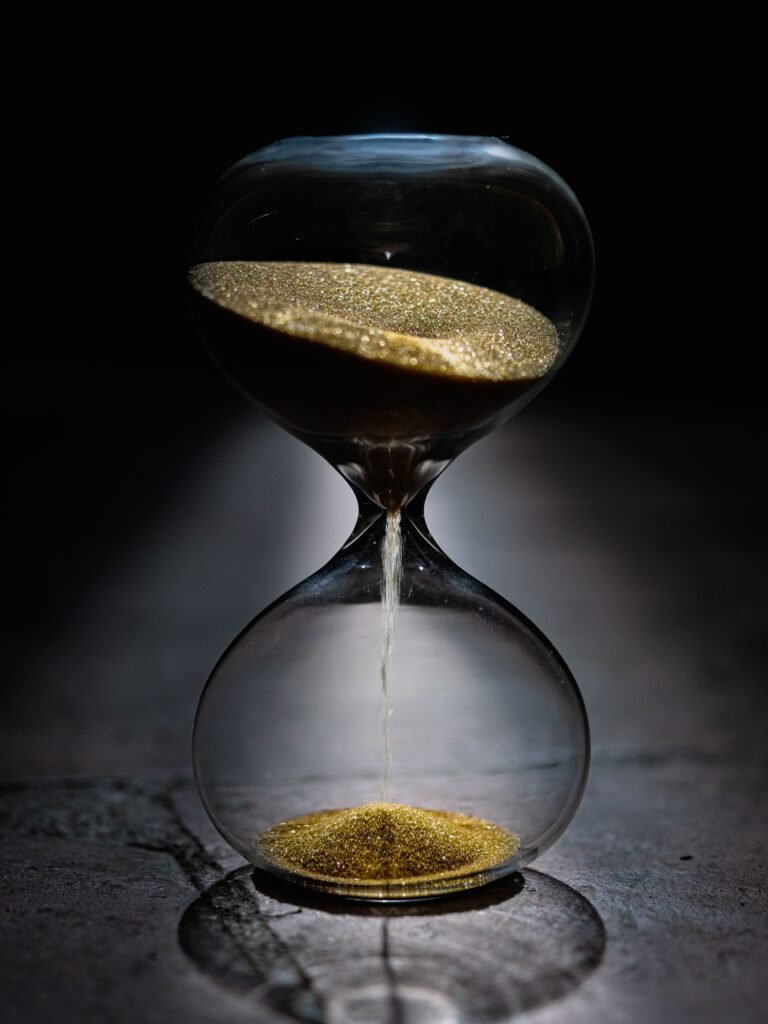
How long do nicotine cravings last when they feel endless?
Because that is the lie built into it.
A craving is your brain predicting relief. For years, every time you felt that exact sensation, you fed it nicotine, and the discomfort vanished. So your brain learned to make the feeling as loud and as urgent as possible, because loud and urgent used to get results.
The craving is not telling you the truth about how long it will last. It is applying pressure. It says this will not stop until you smoke. That is false. It will stop on its own, in minutes, if you simply do not act on it. The wave does not need you to smoke to break. It breaks by itself.
A craving is a salesman, not a doctor. It is not describing your condition. It is trying to close a deal.
Once you see the craving as a liar rather than a warning, its power drops enormously. You stop asking “how do I make this stop” and start asking “can I stay standing for five minutes.” And you can always stay standing for five minutes.
The practical exercise: time your next craving
This one is simple and it will change how you experience every craving that follows. The next time one hits, do not fight it and do not feed it. Just time it.
- The moment a craving starts, note the time, or start a timer.
- Do not smoke, and do not argue with it either. Just watch it, the way you would watch a wave come in.
- Do something with your hands or body while you watch. Drink a glass of water slowly. Walk to another room. Step outside.
- Note when it fades. For most people, it is inside five minutes.
Do this two or three times and something powerful happens. You stop believing the craving’s threat, because you have watched it break on its own with your own eyes. You now have proof, stored in your own memory, that the wave always passes. That proof is worth more than any amount of willpower.
Boss Says: The craving will tell you it is an emergency. It is not. It is a five-minute weather event dressed up as a life-or-death decision. You do not have to win an argument with it, and you do not have to make it go away. You just have to still be here when it leaves. Set a timer, get a glass of water, and let the liar talk itself out. It always does.
That is the whole trick, and it is why coaching in the moment beats gritting your teeth. The craving is loudest right now, and right now is exactly when a calm voice reminding you it will pass makes the difference. That is what Boss is for: there in the five minutes that matter, not to lecture you, but to help you outlast the wave one time, and then the next.

What makes cravings last longer, and what makes them shorter
A few things genuinely shorten the ride. Movement is the strongest: randomised trials have found that even short bouts of moderate exercise, around ten minutes of brisk walking, measurably reduce craving intensity. Water, keeping your hands busy, and simply changing your physical location all help, because they interrupt the loop.
A few things make it worse. Sitting still and staring at the craving, arguing with it, or telling yourself you cannot cope, all feed it. So does meeting the same trigger unprepared, day after day, because the craving fires on schedule and ambushes you every time. Defuse your worst triggers in advance, and you meet fewer cravings to begin with.
Related Article: How to Quit Smoking for Good (Even If You’ve Tried Before)
The bottom line
How long do nicotine cravings last? Individually, minutes. Overall, they fade from constant to occasional over the first few weeks, and shrink to brief, manageable spikes after that. The craving feels permanent only because it is designed to. It is a liar, and now you know it.
You do not have to defeat every future craving today. You have to outlast the one in front of you, and then let the next one come smaller than the last. Time one. Watch it break. Then trust the evidence of your own eyes.

Frequently asked questions
How long does a single nicotine craving last?
An individual craving typically peaks and passes within 3 to 5 minutes, whether or not you smoke. It feels longer because the craving creates a sense of urgency, but the physical wave is short. Riding out those few minutes, rather than acting on the urge, is the core skill of quitting.
Do nicotine cravings ever go away completely?
For the most part, yes. Cravings are frequent in the first few days, become less constant after the first week, and fade into occasional situational urges over the following weeks. Most people find that after the first month, cravings are brief and infrequent. Cue-based urges can occasionally surface later but are easy to manage.
When are nicotine cravings the strongest?
Cravings are usually most frequent and intense in the first three days after quitting, when nicotine has just left your system and withdrawal peaks. After that, they steadily become less constant. Knowing the worst is early and temporary, makes it easier to push through.
What is the fastest way to stop a nicotine craving?
You cannot force a craving to stop, but you can outlast it faster by interrupting it. Move your body; a ten-minute walk measurably reduces craving intensity, drink water slowly, or change your location. These work because they break the loop rather than trying to win an argument with the urge.
Why do cravings feel like an emergency?
Because your brain learned that the feeling gets resolved by nicotine, so it makes the sensation loud and urgent to push you toward smoking. The urgency is pressure, not information. The craving is not describing a real emergency; it is trying to get you to act. It passes on its own within minutes.
Related Article: Cravings and withdrawal when you stop smoking